RV Generators
How to Choose the Right Size Generator for My RV
Match the generator to your RV's 30 or 50 amp service, its air conditioners and how you camp. A practical checklist.

Guide hub
Power on the road is its own puzzle. You are juggling a roof air conditioner, a fridge, batteries and campground quiet hours, often with a 30 or 50 amp plug that does not match the generator you own.
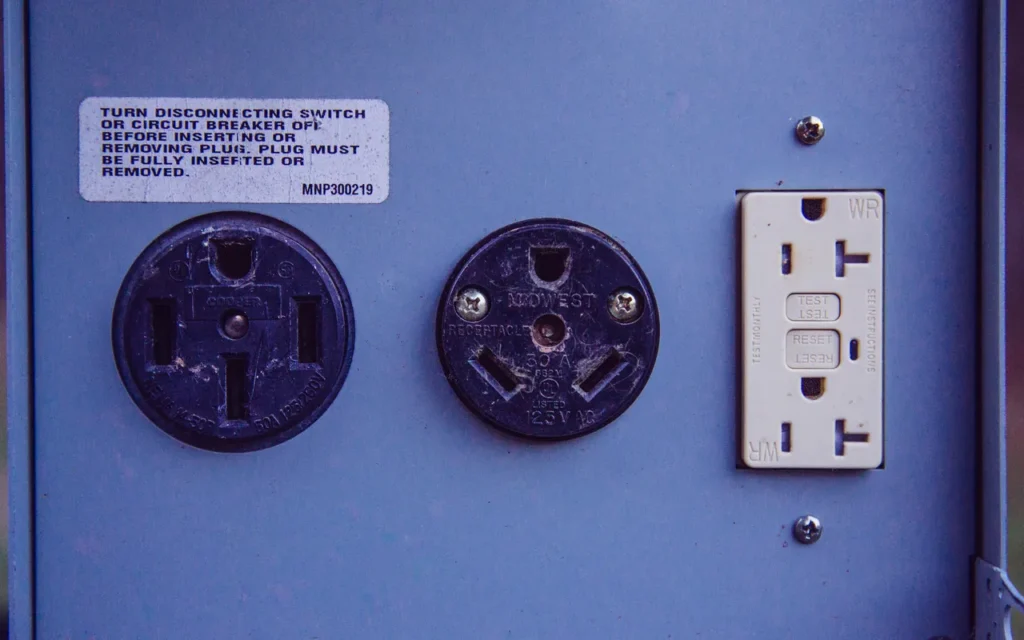
For sizing, start with choosing the right generator size for an RV and the common question of whether 2,000 watts is enough. Air conditioning is usually the deciding load, so whether a 2,300 watt unit can run a 13,500 BTU AC is worth a read. When you are ready to plug in, hooking a generator to 50 amp service covers the adapters and the checks.
RV Generators
Match the generator to your RV's 30 or 50 amp service, its air conditioners and how you camp. A practical checklist.
RV Generators
A 2,000 watt inverter handles the fridge, lights, chargers and short microwave use. The air conditioner usually needs a soft starter.
RV Generators
A 2,300 watt inverter can run a 13,500 BTU RV air conditioner, usually with a soft starter. The numbers and setup steps.
RV Generators
Your 50 amp RV can run from a generator's 14-50, L14-30 or TT-30 outlet with the right adapter. What each gives you, and how to connect.
RV Generators
Everything in an RV can run on a generator if it's big enough. What's 120 volt, what's 12 volt or propane, and how to plan loads.
RV Generators
Onboard motorhome generators can usually run while driving. Portables in a truck bed cannot. The rules, fuel and safety points.
RV Generators
Fuel is the main cost: often $1 to $3 an hour. How to work out your own number, plus maintenance and how to cut it.
Portable Generators
Compare published dBA figures, not marketing claims. The quietest generator types for camping, and campground noise rules.
The full library, newest first.