Portable Generators
What Is a Transfer Switch for a Portable Generator?
Manual transfer switches, interlock kits and inlet boxes: the safe ways to connect a portable generator to your wiring.
Guide hub
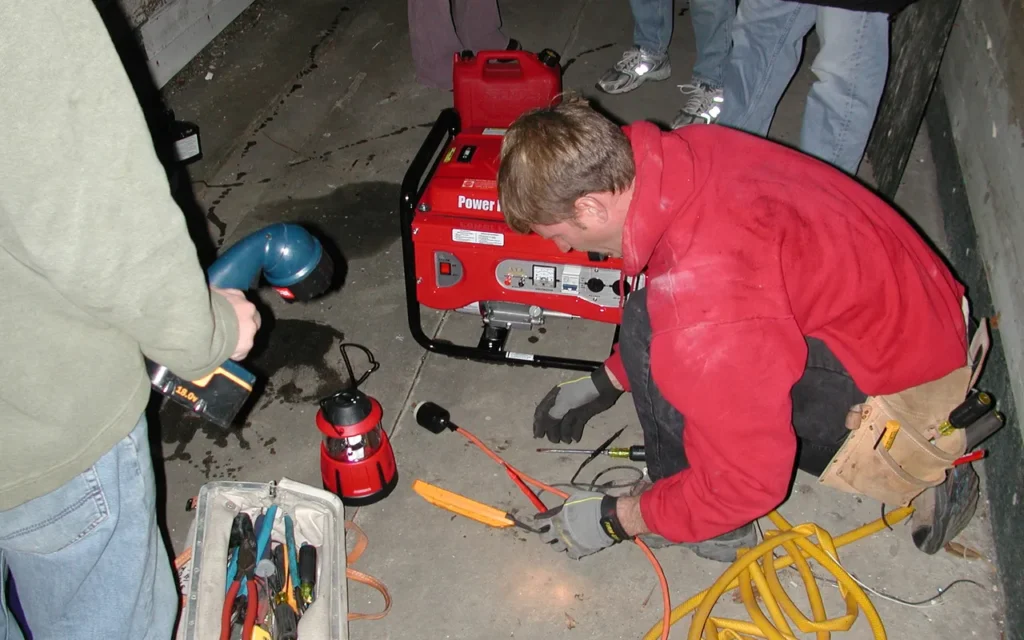
Generators are safe when they are connected the right way and run in the right place. Most of the serious accidents come from two mistakes: backfeeding a house through a cord, and running an engine where exhaust can get indoors.
The safe way into your wiring is a transfer switch or interlock; what a transfer switch for a portable generator is explains the options and what installing one costs gives you a budget. Grounding confuses a lot of owners, so whether you need to ground a portable generator sets out when it matters. For weather and exhaust, see running a generator in the rain. Panel work belongs to a licensed electrician.
Portable Generators
Manual transfer switches, interlock kits and inlet boxes: the safe ways to connect a portable generator to your wiring.
Portable Generators
Typical price ranges for an interlock kit, a manual transfer switch and an inlet box, and what pushes the quote up.
Inverter Generators
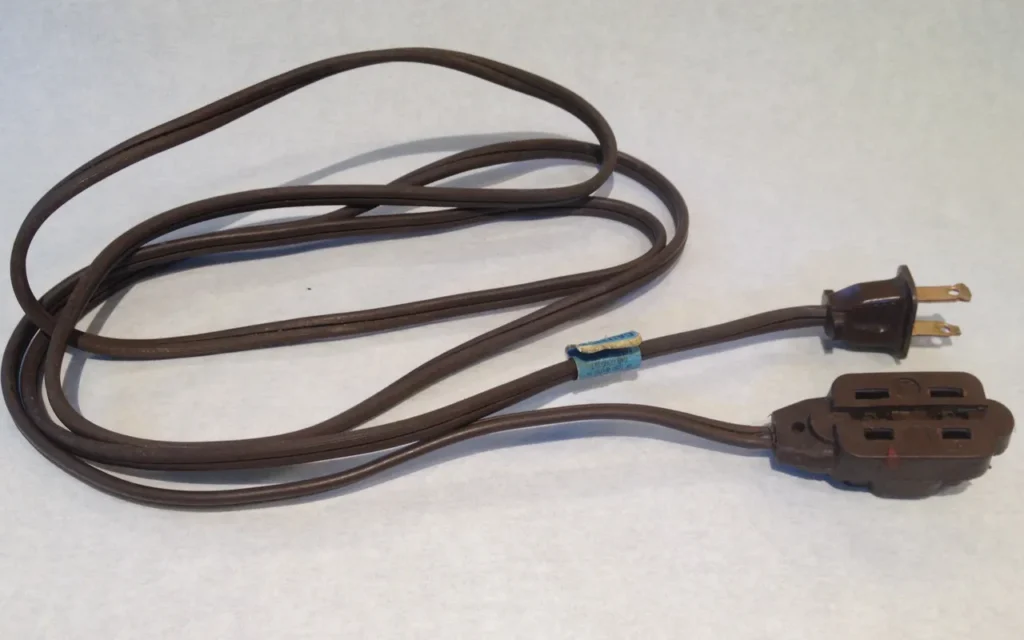
Extension cords to appliances need no switch, but any connection to house wiring does. What changes with inverter models.
Standby Generator
Newer electrical codes call for an outdoor emergency disconnect and a generator shutdown. Here's what that means for a standby install.
Portable Generators
When a portable generator needs a ground rod and when its frame is enough, according to the NEC and OSHA.
Portable Generators
Why a metal water pipe is not a dependable ground for a generator, and what the code allows instead.
Portable Generators
Generators and rain don't mix. How to keep one dry and still keep exhaust away from the house.
RV Generators
Yes, every onboard RV generator makes carbon monoxide. How it can get inside and the habits that keep you safe.
The full library, newest first.