

As an Amazon Associate, I earn from qualifying purchases. Some links in my guides go to Amazon, and buying through them costs you nothing extra. Read the disclaimer.
In many areas, yes. Newer editions of the National Electrical Code added two requirements that affect a home standby generator install. Your local inspector enforces whichever code edition your town or state has adopted, so it’s worth asking early.
Why the rules exist
A standby generator starts automatically. If utility power is cut during a fire, the generator can re-energize the house a few seconds later. That’s why the code wants both a service disconnect and a generator shutdown that responders can reach from outside without hunting for them. Clear labeling at the meter, ATS and generator helps too, and many inspectors require it.
Requirement 1: an outdoor emergency disconnect (NEC 230.85)
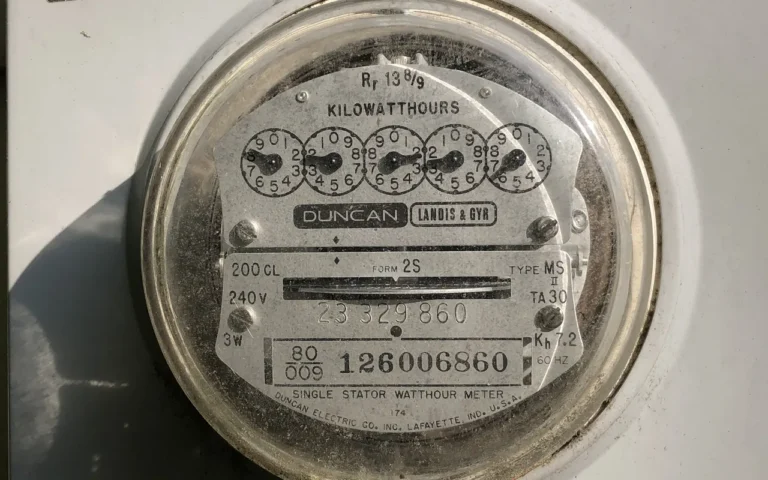
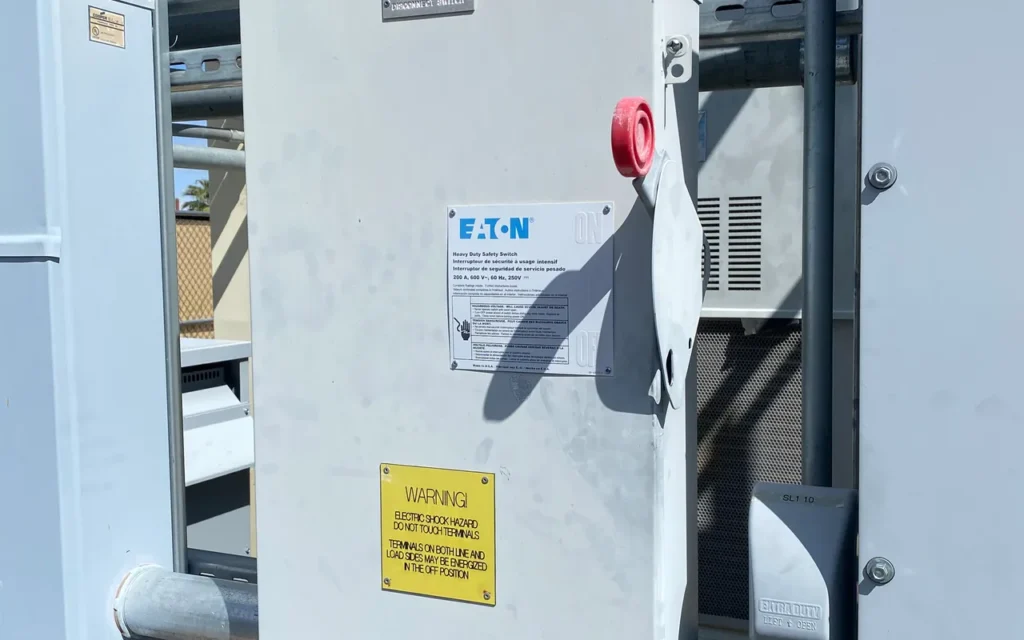
The 2020 NEC added section 230.85. It requires one- and two-family homes to have an emergency disconnect for the utility service in a readily accessible spot outside. The point is to let firefighters cut power without going inside. It’s often built into a meter-main combination or placed next to the meter.
Requirement 2: a generator shutdown (NEC 445.18(D))
The 2020 NEC also added 445.18(D). For one- and two-family homes, a permanently installed generator needs an emergency shutdown device outside the house in a readily accessible location. Many standby units meet this with the breaker or shutdown switch on the generator itself, but your installer and inspector make the final call.
How the pieces fit together
A typical home standby install has four parts that matter for safety:
- The generator, with its own output breaker and controller. Many models offer a shutdown switch or breaker that can serve as the emergency shutdown device, depending on how the inspector reads it.
- The automatic transfer switch (ATS), often service-rated so it can double as the main disconnect.
- The outdoor service disconnect required by NEC 230.85 in jurisdictions on the 2020 code or later. Sometimes the ATS or a meter-main combination covers this.
- Clearances from windows, doors, vents and combustible materials. Manufacturers list these in the installation manual, and local fire codes can add to them.
What it means for your install
- If your home has an older indoor-only main panel, a generator project can trigger an upgrade to a meter-main or an added outdoor disconnect. That can add to the quote.
- The automatic transfer switch is a separate requirement. It’s what keeps the generator and the grid apart.
- Gas piping, the concrete pad and clearances from windows and vents all have their own rules. Manufacturers such as Generac and Kohler publish clearance figures in their installation manuals.
Two planning slips cause failed inspections or blocked access later:
- Placing the generator where snow, landscaping or a fence will block access to its controls.
- Assuming a quote meets code because it’s from a big brand’s dealer. Ask the questions above.
- Skipping the gas permit. The gas line sizing and the regulator are inspected separately in many areas.
Standby installs are always professional work. The job combines service-entrance electrical work, gas piping and manufacturer warranty requirements. Generac, Kohler and Briggs & Stratton all tie their warranty to proper installation, and many require an authorized dealer.
Questions to ask your installer
- Which NEC edition does our jurisdiction enforce, and does it include 230.85 and 445.18(D)?
- Will the transfer switch be service-rated, and will it serve as the outdoor emergency disconnect?
- What will act as the generator’s emergency shutdown, and where will it be?
- Are permits included for both the electrical and the gas work?
- Is a load-management module needed for the size of generator you’re quoting?
Portables, older codes and labels
Does a portable generator need these too?
NEC 445.18(D) excludes cord-and-plug portable generators. A portable feeding a transfer switch still needs that switch to stop backfeed.
Do I need these upgrades if my area uses an older code?
Not necessarily. Your jurisdiction enforces its adopted edition, though some utilities and insurers have their own requirements.
Who labels the disconnects?
The installer, following the code and the inspector’s requirements.
Standby installation is licensed electrical and gas work in most places. For the planning side, see whether standby generators come with an automatic transfer switch and the home backup and standby hub. Also useful: how a standby generator is wired and whether a transfer switch is included.
