Portable Generators
How Does a Portable Generator Work?
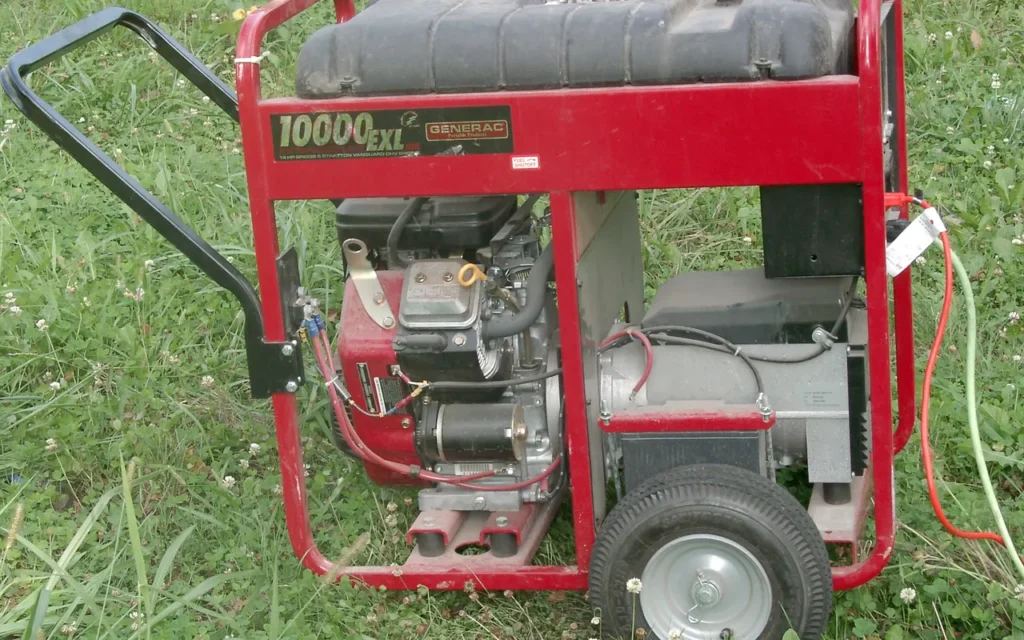
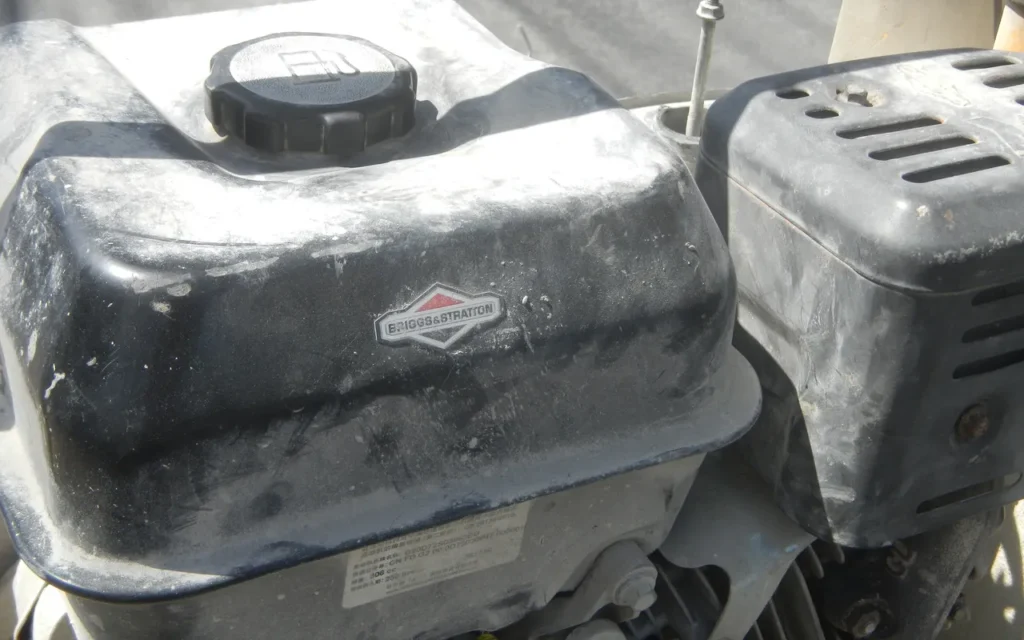
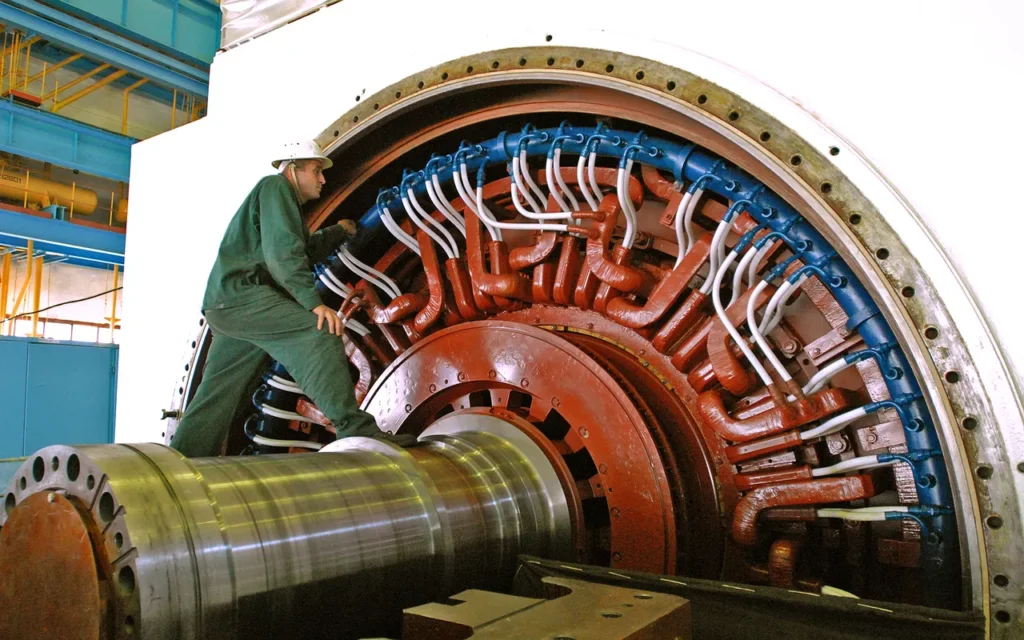
Engine, alternator, voltage regulator and outlets: how a portable generator turns fuel into household power.
Guide hub
Most people's first generator is a portable one, bought in a hurry before a storm. A little homework goes a long way: the right size, the right type and a few maintenance habits are the difference between a machine that starts every time and one that sits in the garage with stale fuel.
If you are new to this, read how a portable generator works and then what size portable generator you need. Inverter models make cleaner power for electronics; whether an inverter generator makes AC or DC clears up a common mix-up. Keeping it healthy comes down to the right oil and sensible storage.
Portable Generators
Engine, alternator, voltage regulator and outlets: how a portable generator turns fuel into household power.
Portable Generators
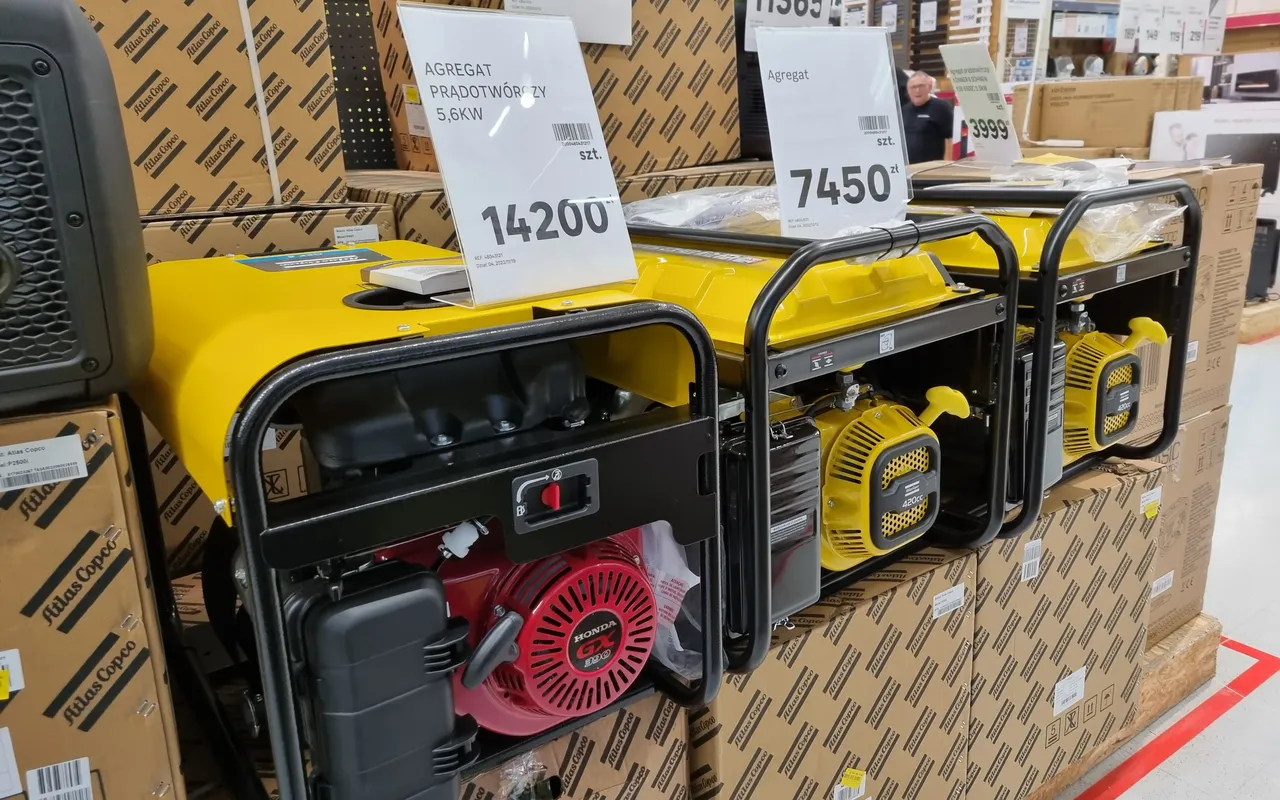
Generator size bands from 2,000 to 10,000+ watts and what each realistically runs, with a simple sizing method.
Inverter Generators
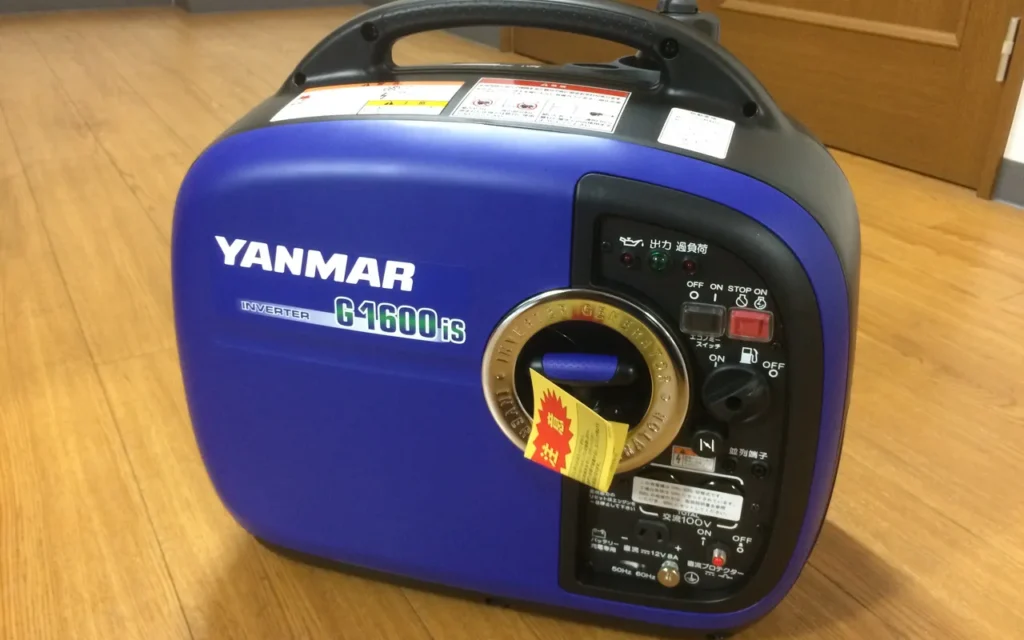
Inverter generators put out AC. Inside they convert AC to DC and back again, which is why their power is so clean.
Inverter Generators
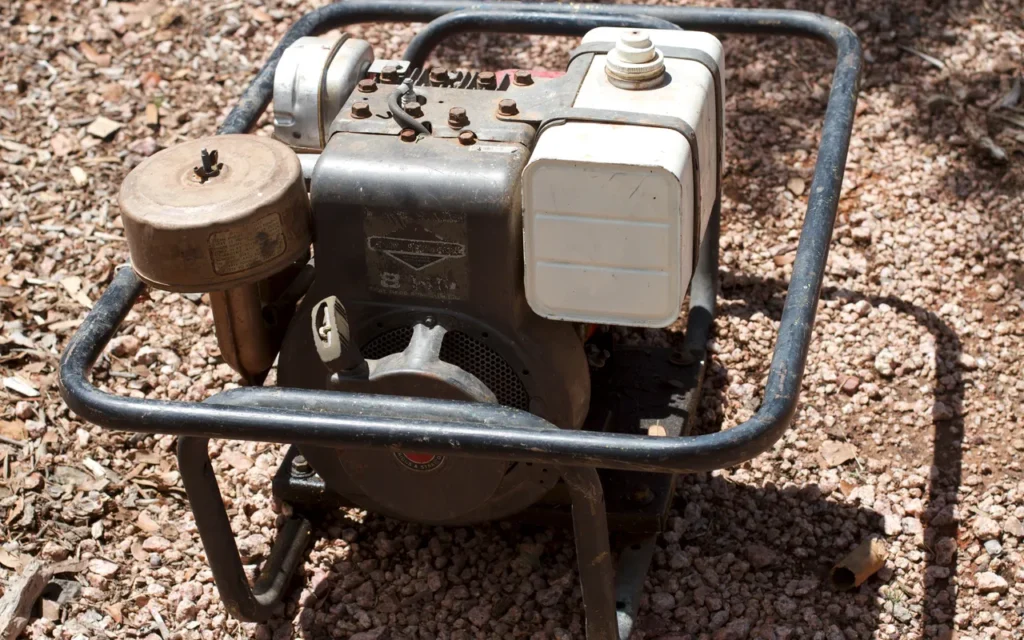
An open-frame inverter combines inverter electronics with a tube frame: more power per dollar, but louder than enclosed models.
Portable Generators
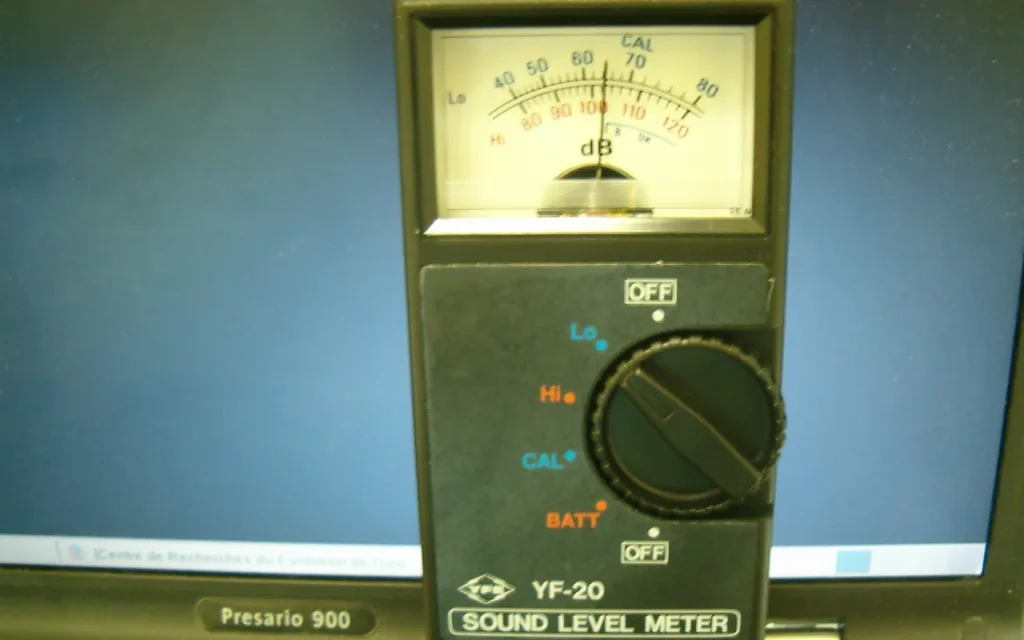
Distance, placement, deflection and the right generator do the most. Methods that cut noise without creating a CO or overheating risk.
Inverter Generators
Paralleling two inverters adds watts but not 240 volts. What actually works for 220/240 V equipment.
Portable Generators
Most portable generators call for SAE 10W-30, with synthetic 5W-30 for cold weather. Check your manual, plus change intervals and how-to.
Portable Generators
Fuel, oil, battery and location: a storage routine that keeps a portable generator ready to start.
The full library, newest first.