Portable Generators
Whole-House Power From a Portable Generator: Sizing It Right
Whole-house power from a portable means 15 kW or more. Most people need far less. Worked examples and real numbers.
Guide hub
Buying the wrong size is the most common generator regret. Too small and the fridge or well pump trips it every time it starts; too big and you are paying for fuel you never use. The fix is simple arithmetic once you know the difference between running watts and starting watts.
Try the wattage calculator for a quick total, then read what size portable generator runs a whole house or standby sizing for a 2,400 sq ft home. Single appliances have their own quirks; sizing for a refrigerator and running a heat pump are good examples. To plan fuel, use the fuel run-time calculator.
Portable Generators
Whole-house power from a portable means 15 kW or more. Most people need far less. Worked examples and real numbers.
Portable Generators
A portable can run a lot of a house, but rarely all of it. What it can handle and the one hookup you must never use.
Standby Generator
Square footage is a poor guide. For a 2,400 sq ft home the real answer depends on central air and electric heat.
Portable Generators
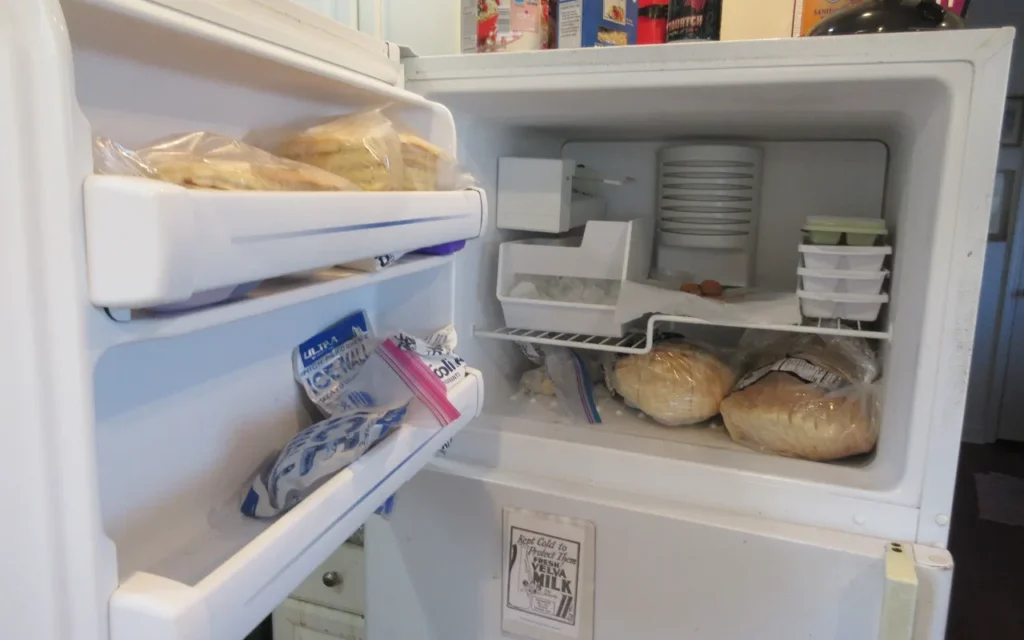
Most fridges run on a few hundred watts but need a short start-up surge. Why 2,000 watts is a sensible minimum.
Portable Generators
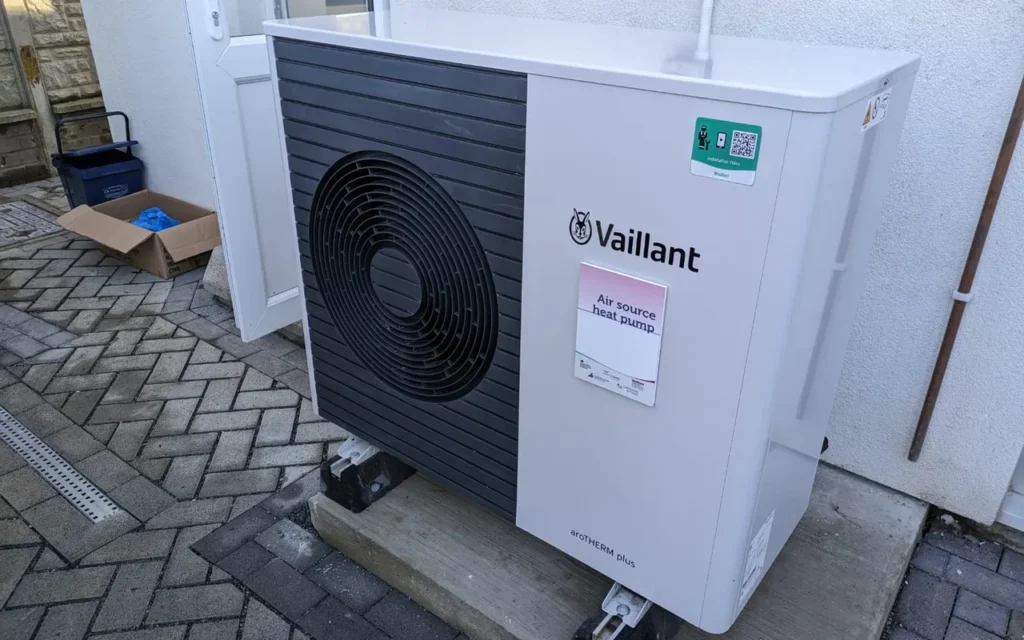
Running a heat pump on a portable takes 240 volts, a big enough generator and often a soft starter. Backup heat strips are off the table.
Inverter Generators
Most washers need well under 2,000 watts, so a mid-size inverter usually copes. The electric dryer is the problem.
RV Generators
One roof AC plus the fridge usually means about 3,000 to 3,500 watts, or less with a soft starter.
Inverter Generators
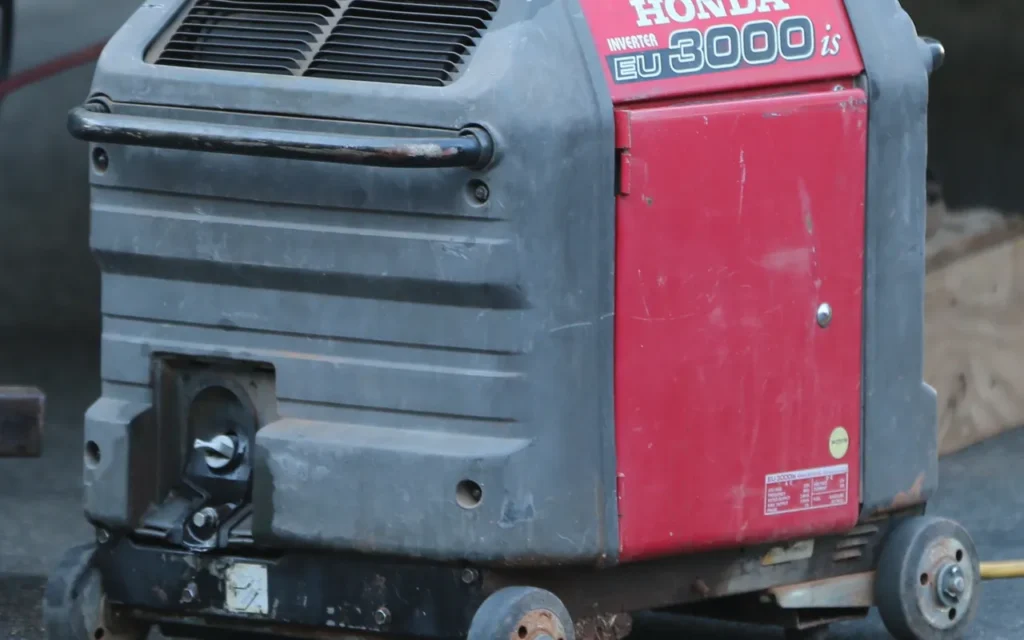
Honda lists maximum and rated output for its EU inverters. The figures for the EU2200i, EU3000iS and EU7000iS, and how to use them.
The full library, newest first.