Close Menu
Generator SavvyGenerator Savvy
    Generator SavvyGenerator Savvy
    Generator SavvyGenerator Savvy
    Home»Portable Generators»What Size Portable Generator Do I Need to Run a Whole House
    Portable Generators

    What Size Portable Generator Do I Need to Run a Whole House

    Ethan WalkerBy Ethan WalkerNovember 4, 2025No Comments6 Mins Read

    To run a whole house, you typically need a portable generator with a capacity between 5,000 to 15,000 watts. The exact size depends on the appliances you want to power and their combined wattage requirements.

    Determine Essential Appliances for Generator Use

    Before selecting a portable generator to power your entire home, it’s crucial to identify which essential appliances you’ll need to run. Understanding the power requirements of these devices will help you determine the appropriate generator size, ensuring you have enough capacity to meet your household’s demands during an outage. This step is vital for effective planning and efficient energy use.

    Understanding your power needs is essential when selecting a portable generator. Start by identifying the essential appliances you want to run during an outage.

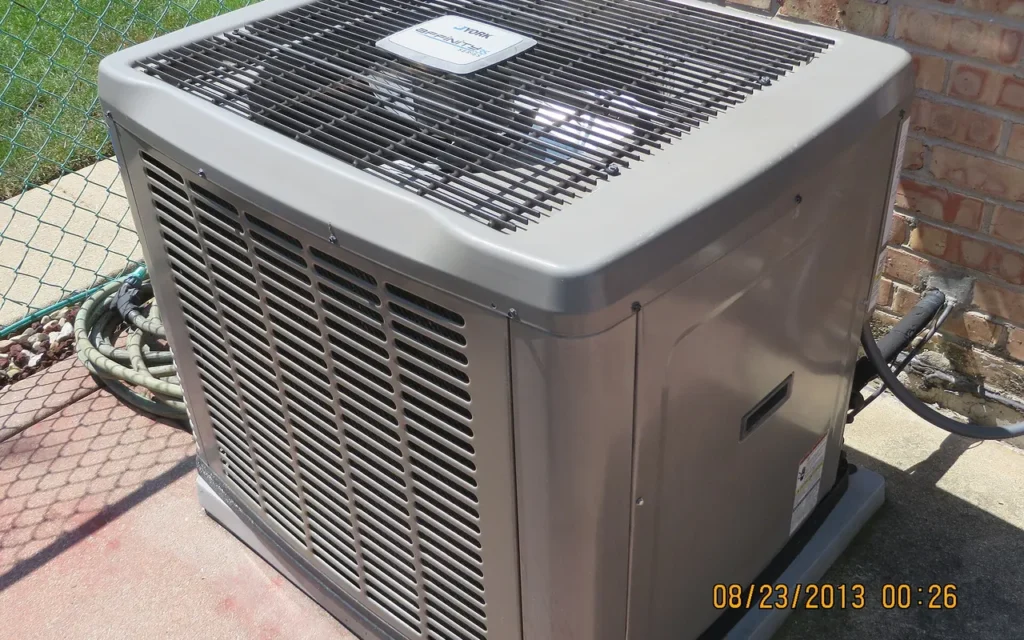
    Common household items include refrigerators, heating systems, air conditioning units, and lights. Each appliance has a specific wattage requirement, which you must calculate to determine the total wattage needed.

    Determine Appliance Wattage Needs

    Before selecting a portable generator to power your entire home, it’s essential to assess the wattage requirements of your appliances. Understanding the specific energy needs of each device will help you determine the appropriate generator size, ensuring you have enough power to maintain essential functions during an outage. This step is crucial for effective planning and energy management.

    To accurately assess your wattage needs, list the appliances you plan to power and their starting and running wattages. Starting wattage is often higher than running wattage, particularly for motors.

    Appliance Starting Watts Running Watts
    Refrigerator 2,000 800
    Air Conditioner 3,000 1,500
    Microwave 1,200 1,200
    Lights (10 bulbs) 1,000 1,000
    Furnace 3,500 1,200

    Add the starting wattages for your appliances to determine the total wattage required. This total will guide your generator size selection.

    Choose the Right Generator Size

    Choosing the right generator size is crucial for ensuring your home runs smoothly during power outages. The correct generator will not only meet your energy needs but also provide peace of mind. Understanding your household’s power requirements will help you select a portable generator that can effectively support your entire home.

    Once you have the total wattage, you can select a generator that meets your needs. Generators are rated in watts, and it’s crucial to choose one that exceeds your calculated requirements.

    • 5,000 to 7,500 watts: Suitable for small homes with essential appliances.

    • 7,500 to 10,000 watts: Ideal for medium-sized homes with multiple appliances.

    • 10,000 to 15,000 watts: Best for larger homes or those with high-demand appliances.

    Fuel Type Impact on Generator Efficiency

    When selecting a portable generator to power an entire house, understanding the impact of fuel type on efficiency is crucial. Different fuel sources, such as gasoline, propane, and diesel, each offer unique benefits and drawbacks that can significantly affect performance and operational costs. This section delves into how these fuel types influence generator efficiency and overall effectiveness.

    The fuel type of your portable generator impacts its efficiency and operational costs. Common fuel types include gasoline, propane, and diesel. Each has its advantages and disadvantages.

    • Gasoline: Readily available but can be less efficient and has a shorter shelf life.

    • Propane: Cleaner burning and has a longer shelf life but may require additional storage.

    • Diesel: More efficient for larger generators but can be more expensive and less portable.

    Assess Generator Noise and Portability

    When selecting a portable generator for whole-house use, it’s essential to consider not just its power output but also its noise level and portability. A generator that operates quietly can provide comfort during outages, while one that is easy to transport ensures you can move it as needed. Balancing these factors will help you find the right fit for your home.

    Noise levels can be a significant factor, especially in residential areas. Look for generators with lower decibel ratings for quieter operation.

    Portability is also essential if you plan to move the generator frequently. Consider features like wheels and handles for easier transport.

    Recommended Portable Generator Models

    When considering a portable generator for whole-house use, selecting the right model is crucial for ensuring adequate power supply. This section highlights recommended generator models that balance efficiency, capacity, and reliability, providing insights into their specifications to help you make an informed decision for your energy needs.

    When selecting a portable generator, consider models that have proven reliability and performance. Here are some options to consider based on wattage and features.

    Model Starting Watts Running Watts Fuel Type Noise Level
    Honda EU7000iS 7,000 5,500 Gasoline 58 dB
    Champion 100263 9,500 7,500 Dual Fuel 58 dB
    Westinghouse WGen9500DF 9,500 7,500 Dual Fuel 68 dB
    Generac GP8000E 8,000 6,500 Gasoline 70 dB

    Each model has unique features that cater to different needs, so evaluate them carefully.

    Prepare for Generator Use

    Before using a portable generator to power your entire home, it’s essential to prepare adequately. Understanding your energy needs, assessing your home’s electrical system, and ensuring safety measures are in place will help you make the most of your generator. This preparation sets the foundation for effective and efficient generator use during outages.

    Before using your generator, ensure you have the necessary supplies and safety equipment. This includes:

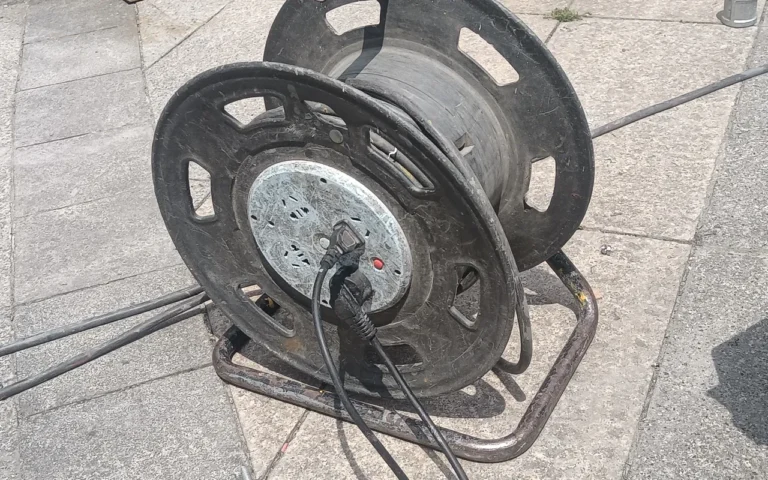
    • Extension cords rated for outdoor use.

    • Fuel appropriate for your generator type.

    • Protective gear like gloves and goggles.

    Always follow safety guidelines to prevent accidents and ensure efficient operation.

    Maintain Your Generator for Longevity

    Proper maintenance is essential for ensuring the longevity and reliability of your portable generator. Regular upkeep not only enhances performance but also prevents costly repairs and unexpected failures. By following a few key maintenance practices, you can keep your generator running smoothly and efficiently for years to come.

    Regular maintenance is crucial for the longevity of your generator. Follow these steps:

    • Check oil levels before each use.

    • Inspect the air filter and replace it as needed.

    • Run the generator monthly to keep the engine lubricated.

    A well-maintained generator will perform better and last longer.

    Generator Outdoor Operation Safety

    When using a portable generator for whole house power, safety is paramount, especially during outdoor operation. Understanding the risks and implementing proper safety measures can prevent accidents and ensure reliable performance. This section outlines essential precautions and best practices to follow while operating a generator outdoors.

    Always operate your generator outdoors to prevent carbon monoxide poisoning.

    Generator Sizing for Whole House Power

    When considering a portable generator to power an entire house, understanding the correct sizing is crucial. This section delves into the factors that influence generator capacity, including essential appliances, total wattage requirements, and how to assess your home’s power needs effectively. Proper sizing ensures reliability and efficiency during outages or emergencies.

    Choosing the right portable generator involves careful consideration of your power needs, fuel type, and model features. Understanding these factors will help you make an informed decision and ensure your home remains powered during outages.

    Ethan Walker
    Ethan Walker
    • Website

    Hi, I’m Ethan Walker, and I created Generator Savvy to make generator topics easier to understand without all the fluff. I’ve always been the kind of person who researches gear before buying it, especially when it comes to backup power, camping equipment, RV setups, and home preparedness. Over the years, I found that generator advice online was often either too technical or too vague. That pushed me to start writing clear, practical content that helps everyday people compare options, understand how different generators work, and make smarter buying decisions. At Generator Savvy, I focus on real-world questions about portable generators, inverter models, dual fuel options, camping use, RV compatibility, fuel choices, and backup power planning. My goal is simple. I want this site to be a useful place for people who want straight answers before they spend money or depend on a generator when it matters most.

    Related Posts

    Can I Travel With Portable Generator on Southwest

    November 28, 2025

    Will Sorara Pop-Up Canopy Tent Work for Portable Generator in Rain

    November 28, 2025

    Can a Microwave Run on a Portable Generator

    November 28, 2025

    How to Purchase Portable Generators Wholesale

    November 27, 2025

    How Do I Connect a Portable Generator Hookup to My House Through the Dryer Plug

    November 27, 2025

    How Long Does Ground Rod Need to Be for a Portable Generator

    November 27, 2025
    Add A Comment
    Leave A Reply Cancel Reply

    © 2026 Generator Savvy.

    Type above and press Enter to search. Press Esc to cancel.