

As an Amazon Associate, I earn from qualifying purchases. Some links in my guides go to Amazon, and buying through them costs you nothing extra. Read the disclaimer.
The most effective ways to make a portable generator quieter are simple. Move it farther away, point the exhaust away from you, set it on a soft surface, and put a solid barrier between it and where you sit or sleep. Bigger changes, like an enclosure or an exhaust modification, need care. Done badly, they cause overheating, carbon monoxide build-up or a voided warranty.
First, take a baseline reading
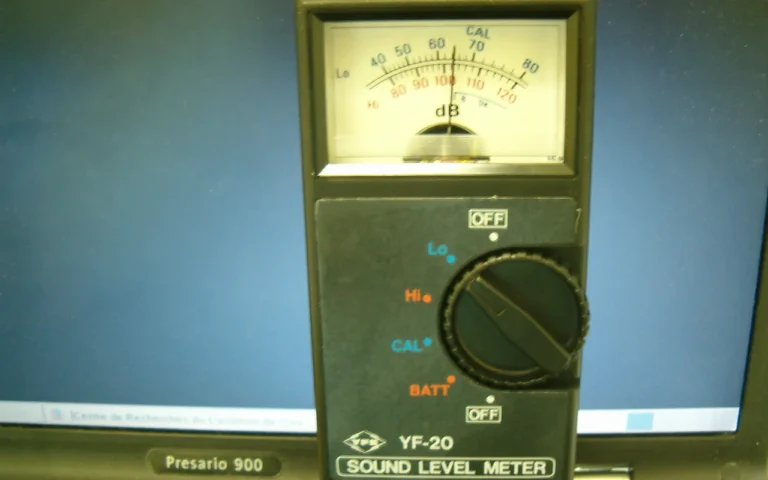
Free sound meter apps on a phone aren’t laboratory instruments, but they’re good enough to compare before and after. Measure at the same spot, such as your tent door or a neighbor’s property line, with the same load running. The CDC’s National Institute for Occupational Safety and Health (NIOSH) has published its own sound level meter app for iOS, which is a reasonable choice for quick checks.
Free fixes: distance, direction and surface
- Distance. In open air, sound drops about 6 decibels each time you double the distance. Moving from 10 to 20 feet is a noticeable improvement, and 20 feet is also the minimum CPSC recommends from your house.
- Exhaust direction. Point the muffler away from your house, your campsite and your neighbors.
- Soft footing. Rubber anti-vibration pads or a rubber mat stop the frame from rattling on hard surfaces like concrete or a truck bed.
- Load management. Inverter generators idle down at light loads. Turning off unnecessary loads lets eco mode keep the engine slower and quieter.
Add a solid barrier
A solid barrier between the generator and you blocks direct sound. Plywood panels, cement board or a purpose-made sound shield, set a few feet away with open sides for airflow, can help. Keep any barrier well clear of the exhaust and never enclose the generator completely.
Build or buy a ventilated enclosure
Ventilated enclosures, commercial or homemade, can reduce noise significantly, but they must:
- Leave enough fresh air for cooling and combustion. Generators overheat quickly in boxes.
- Vent exhaust outside the enclosure, away from openings.
- Use heat-resistant materials near the muffler.
- Follow the generator manufacturer’s clearance guidance.
If you’re unsure, buy a purpose-built enclosure designed for your generator size rather than improvising.
Consider exhaust changes, carefully
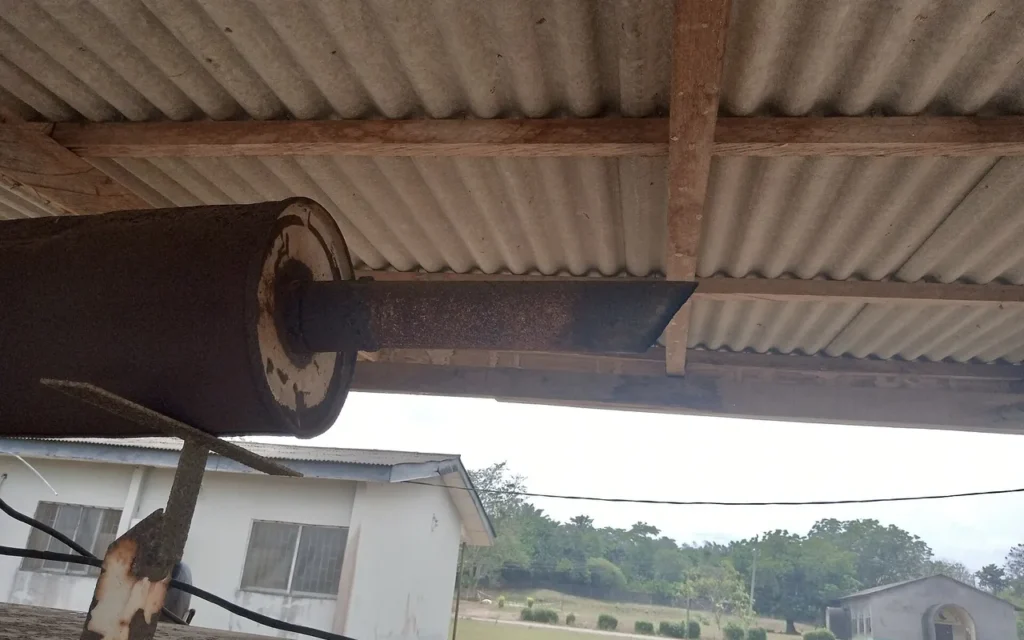
Aftermarket mufflers and exhaust extensions are sold for some models. They can reduce noise but may affect engine performance, emissions compliance and warranty. Many public lands, including U.S. Forest Service land, require a working spark arrester. Don’t remove it.
How much quieter it can get: an example
A conventional 4,000 watt generator measured at about 72 dBA at 23 feet. Moving it to about 46 feet, double the distance, cuts that by roughly 6 dB, to around 66 dBA in open air. Pointing the exhaust away and putting a solid barrier between it and the listener can remove a few more decibels. Swapping it for a quiet inverter in the high-50s dBA range, rated at the same distance, makes a bigger difference than any of those steps alone.
Noise fixes that are dangerous
- Running it inside a closed shed, garage or box to muffle it.
- Stuffing foam or blankets around it. That blocks cooling and is a fire risk.
- Pointing the exhaust toward a tent or RV to keep the noise “on the other side”.
When the generator itself is the problem
Inverter generators in enclosed housings are much quieter than conventional open-frame units. Honda, for example, rates its EU2200i at 48 to 57 dBA at quarter to rated load. Many conventional models list figures in the high 60s to 70s dBA. When comparing, check the measurement distance. 23 feet (7 meters) is common.
Keeping the peace with neighbors
- Agree on generator hours with neighbors during long outages.
- Shut down overnight when you can. A fridge stays cold for hours if the door stays closed.
- Don’t point the exhaust toward a neighbor’s windows. It’s a noise and a carbon monoxide issue.
Noise, briefly answered
How quiet is quiet?
50 to 60 dBA is roughly normal conversation level. Campgrounds often set limits in this range during certain hours.
Does a generator get quieter with age?
No. Worn mufflers, loose panels and failing mounts usually make it louder. Inspect and tighten parts during maintenance.
See quiet generators for camping, open-frame vs enclosed inverters and the portable hub. Also useful: picking the right size.
