

As an Amazon Associate, I earn from qualifying purchases. Some links in my guides go to Amazon, and buying through them costs you nothing extra. Read the disclaimer.
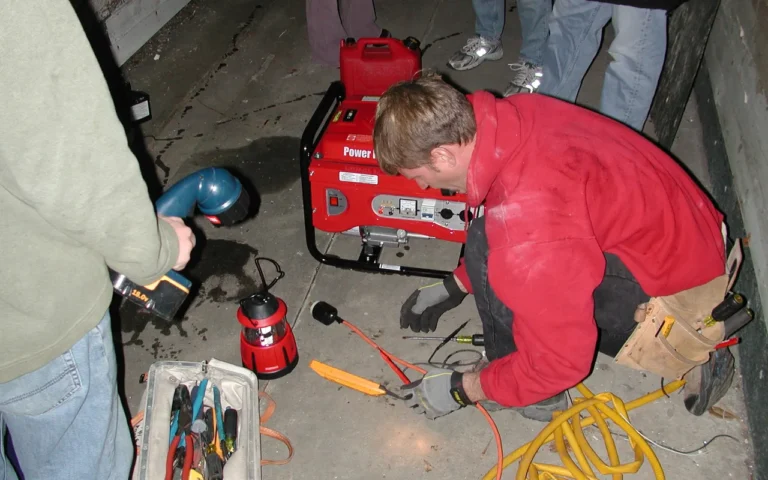
For a portable generator, a professionally installed connection usually costs somewhere between about $500 and $2,000. Where you land depends on which hardware you choose, how far the generator inlet sits from your panel, and local labor rates and permit fees. These are typical ranges from installer price lists and cost surveys, not quotes. Get two or three real ones before deciding.
Price ranges by option
| Option | Hardware | Typical installed total |
|---|---|---|
| Interlock kit + inlet box | About $100 to $300 | About $500 to $1,200 |
| Manual transfer switch (6 to 10 circuits) + inlet box | About $300 to $700 | About $800 to $2,000 |
| Automatic transfer switch for a standby unit | Varies widely | Usually bundled into the standby install |
- Distance. An inlet right behind the panel needs a short run of cable. One across the house, or through a finished basement, takes far longer.
- Panel compatibility. Interlock kits are made for specific panel brands and models. If none fits yours, you’ll need a manual transfer switch instead.
- Amp rating. A 50 amp inlet and cord cost more than a 30 amp set.
- Permit and inspection. Fees vary a lot by town. Skipping the permit can cause trouble with insurance or when you sell the house.
Line items people forget
- The generator cord itself. A 20 to 30 foot L14-30 cord is commonly sold separately.
- Panel repairs. An old, full or recalled panel may need work first.
- Drywall patching where cable was run inside finished walls.
- A carbon monoxide alarm for each level of the home, if you don’t already have them.
What you pay for, step by step
- Site visit or photos. The electrician checks the panel brand and model, free breaker spaces and the route to the outside wall.
- Permit. In most towns the electrician pulls an electrical permit. Fees range from tens of dollars to a few hundred.
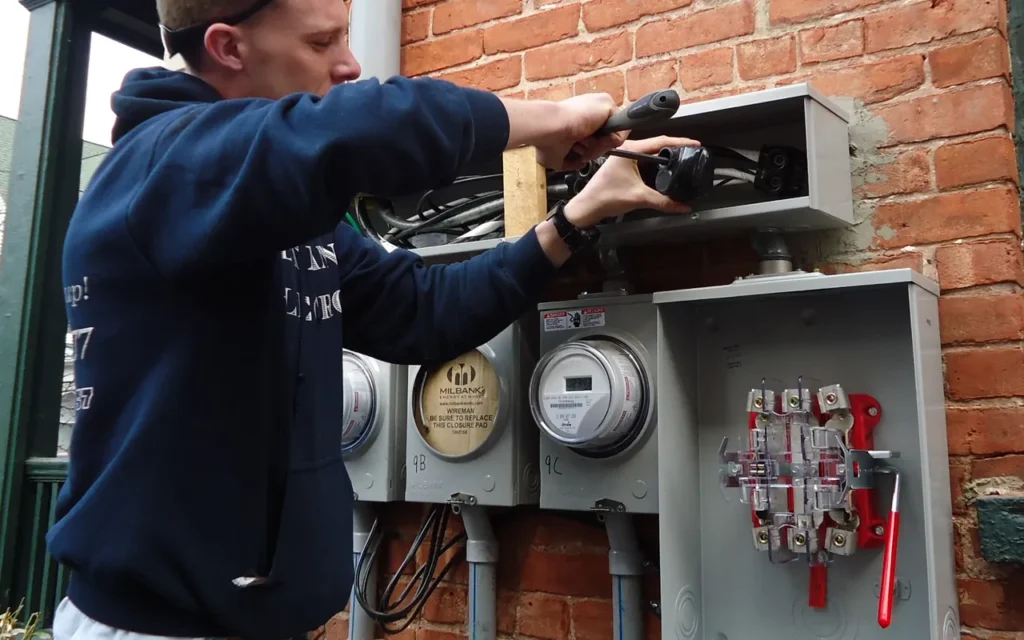
- Install. The interlock or switch goes in, the inlet box gets mounted outside, and the cable is run between them. For a simple interlock near an outside wall, this is often a half-day job.
- Inspection. The inspector checks the backfeed protection, the wire sizes and the inlet.
A sample budget for an interlock job
Here’s how a straightforward interlock install tends to add up, using the ranges above. Treat it as a way to read quotes, not as a price for your area.
- Interlock kit and inlet box: about $100 to $300 in hardware.
- Electrician labor: usually the biggest share, and it grows with the distance from the inlet to the panel.
- Permit and inspection: from tens of dollars to a few hundred, depending on the town.
- The generator cord: often bought separately.
Most simple interlock jobs land in the $500 to $1,200 range from the table. A manual transfer switch, or a long cable run through finished walls, pushes the total higher.
Ways to keep the price down
- Put the inlet close to the panel. Every extra foot of cable and every finished wall it crosses adds labor.
- Use an interlock if your panel accepts one. It’s usually the cheapest legal option.
- Bundle the work. If you’re already having electrical work done, adding the generator connection to that visit saves a second trip charge.
- Buy the inlet and cord to match your generator. A 30 amp setup costs noticeably less than 50 amp if your generator only has an L14-30 outlet anyway.
Is DIY worth the savings?
The hardware is affordable, so the do-it-yourself route looks tempting. But this work is inside the service panel, live parts included, and most places require a licensed electrician or a homeowner permit with inspection. A mistake can backfeed the grid or leave a fire hazard behind a wall. I’d treat the electrician’s fee as part of the generator’s price.
Is the money well spent?
Compared with a tangle of extension cords, a proper connection lets you run hardwired loads: the furnace blower, a well pump, ceiling lights. Nothing has to come through a window. It also removes the temptation to backfeed through an outlet, which is the most dangerous generator shortcut there is.
Installation cost FAQ
Does a standby generator install cost the same?
No. Standby installs include the generator, an automatic transfer switch, a pad and a gas line, and commonly run into five figures. See natural gas standby install costs.
Will my utility need to know?
Some utilities ask to be notified about generator installs. Your electrician or the permit office can tell you.
How long does installation take?
Often a few hours to a day for an interlock and inlet, longer for a transfer switch with longer cable runs.
If you aren’t sure which type suits your panel, start with what a transfer switch is and how the options differ. Then size the generator with the wattage calculator before you buy anything. Also useful: can a portable generator power a house.
