Close Menu
Generator SavvyGenerator Savvy
    Generator SavvyGenerator Savvy
    • Home
    • Portable Generators
    • Inverter Generators
    • About
    • Contact
    • Privacy Policy
    Generator SavvyGenerator Savvy
    Home»RV Generators»Do Built-In RV Generators Generate Carbon Monoxide? What the Best Sources Show
    RV Generators

    Do Built-In RV Generators Generate Carbon Monoxide? What the Best Sources Show

    Ethan WalkerBy Ethan WalkerMay 19, 2026No Comments5 Mins Read

    Built-in RV generators can generate carbon monoxide, posing a serious safety risk if not properly managed. Understanding how these generators operate and the necessary precautions can help prevent dangerous situations while enjoying your travels.

    Built-In RV Generators and Carbon Monoxide Risks

    Built-in RV generators are essential for providing power during off-grid camping or when shore power is unavailable. These generators typically run on gasoline, diesel, or propane and are designed to supply electricity for various appliances and systems in the RV. While they offer convenience, they also produce exhaust gases that contain carbon monoxide, a colorless and odorless gas that can be lethal in high concentrations.

    Generator Carbon Monoxide Emission Factors

    Understanding the carbon monoxide emission factors of built-in RV generators is crucial for safety and health. This section delves into how these generators produce carbon monoxide, examining various sources to provide a clear picture of their environmental impact. By analyzing specific emission rates, readers can make informed decisions about generator usage in their RVs.

    Carbon monoxide is produced during the combustion process in built-in generators. The amount of CO generated depends on several factors, including:

    • Type of fuel used

    • Generator load

    • Maintenance condition

    Regular maintenance is crucial for minimizing carbon monoxide emissions. A well-maintained generator will operate more efficiently, producing less harmful exhaust.

    Essential Safety Features for Built-In Generators

    When considering built-in RV generators, safety features are paramount to ensure a secure and enjoyable travel experience. Understanding the essential safety mechanisms in these generators can help prevent hazards such as carbon monoxide exposure, which is crucial for all RV owners. This section delves into the key safety features that enhance the reliability and security of built-in generators.

    See also  How to Install Fuel Line for RV Generator (Step-By-Step, Costs, and Common Mistakes)

    When selecting a built-in generator, consider models equipped with safety features designed to reduce carbon monoxide risks. Key features to look for include:

    • Automatic shut-off: This feature turns off the generator if CO levels become dangerously high.

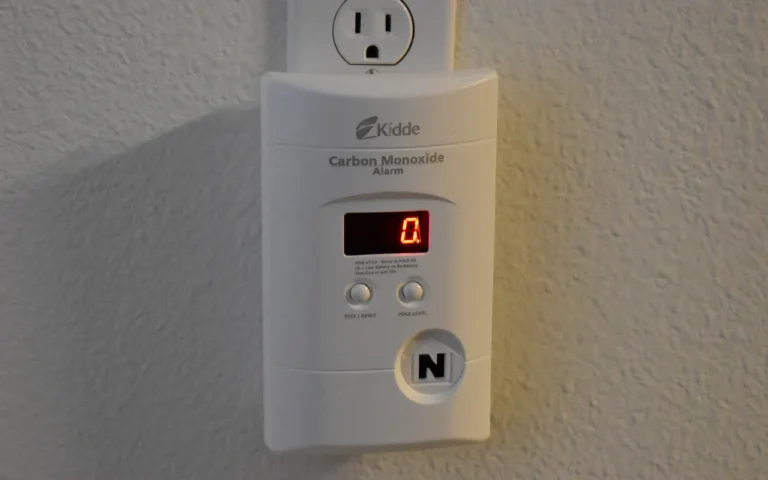
    • CO detectors: Built-in carbon monoxide detectors can alert you to dangerous levels of CO in the RV.

    • Ventilation systems: Proper ventilation reduces the risk of CO buildup inside the RV.

    Investing in a generator with these features can enhance safety while using your RV.

    Built-In Generator Feature Comparisons

    When considering built-in RV generators, it’s essential to evaluate their features and safety aspects, particularly regarding carbon monoxide emissions. This section compares various models, highlighting their specifications and performance to help you make an informed decision for your RV needs. Understanding these differences can ensure both efficiency and safety during your travels.

    Choosing the right built-in generator involves comparing specifications and features. The following table summarizes key aspects of popular models.

    Generator Model Fuel Type Power Output CO Detection Price Range
    Generac GP2200i Gasoline 2200W Yes $500-$600
    Onan QG 4000 Gasoline 4000W Yes $3,000-$4,000
    Champion 3400 Dual Fuel 3400W Yes $800-$900
    Yamaha EF2400iSHC Gasoline 2400W Yes $1,200-$1,400

    This comparison helps identify which generator aligns with your power needs and safety preferences.

    Generator Maintenance to Minimize Carbon Monoxide

    Proper maintenance of built-in RV generators is essential for ensuring safe operation and minimizing carbon monoxide emissions. Regular checks and servicing can help identify potential issues that may lead to increased carbon monoxide production, thereby protecting both occupants and the environment. Understanding these maintenance practices is crucial for any RV owner concerned about safety and efficiency.

    See also  How Much Fuel Does a Kohler RV Generator Use? Monthly Fees and What Affects Pricing

    Proper maintenance of your built-in generator is essential for safety and efficiency. Follow these maintenance tips:

    • Regularly inspect exhaust systems: Ensure there are no blockages or leaks.

    • Change oil and filters: Follow the manufacturer’s recommendations for oil changes and filter replacements.

    • Test CO detectors monthly: Replace batteries as needed to ensure functionality.

    • Keep the generator clean: Remove dirt and debris that can affect performance.

    Implementing these maintenance practices can significantly reduce carbon monoxide emissions and enhance generator longevity.

    Identifying Carbon Monoxide Exposure Signs

    Understanding the signs of carbon monoxide exposure is crucial for RV owners, especially those with built-in generators. This section outlines the key symptoms to watch for, helping you ensure a safe environment while enjoying your travels. Recognizing these indicators can be vital for your health and the well-being of your passengers.

    Awareness of carbon monoxide symptoms is crucial for safety. Common symptoms include:

    • Headaches

    • Dizziness

    • Nausea

    • Confusion

    If you or anyone in your RV experiences these symptoms, immediately turn off the generator and seek fresh air. Call for medical assistance if symptoms persist.

    Carbon Monoxide Exposure Response Steps

    Understanding the risks associated with carbon monoxide exposure is crucial for RV owners, especially those using built-in generators. This section outlines essential response steps to take in the event of carbon monoxide detection, ensuring safety and preparedness while enjoying your RV adventures. Knowing how to react can make a significant difference in protecting yourself and your loved ones.

    In the event of carbon monoxide exposure, follow these emergency procedures:

    • Evacuate the area: Move everyone outside to fresh air.

    • Call emergency services: Report the situation to professionals.

    • Do not re-enter: Wait for clearance from authorities before going back inside.

    See also  How to Test Generator Output on an RV (Simple Steps and What to Prepare)

    These steps can save lives and prevent serious health complications.

    Generator Safety and Carbon Monoxide Risks

    When considering the safety of built-in RV generators, understanding the risks associated with carbon monoxide is crucial. This section delves into the potential dangers of carbon monoxide emissions from these generators, highlighting safety measures and best practices to ensure a safe camping experience. Knowledge of these risks can help RV owners make informed decisions for their travels.

    Understanding the risks associated with built-in RV generators is vital for safe operation. Always prioritize safety features and maintenance to minimize carbon monoxide exposure. Being proactive can ensure enjoyable and safe adventures on the road.

    Ethan Walker
    Ethan Walker
    • Website

    Hi, I’m Ethan Walker, and I created Generator Savvy to make generator topics easier to understand without all the fluff. I’ve always been the kind of person who researches gear before buying it, especially when it comes to backup power, camping equipment, RV setups, and home preparedness. Over the years, I found that generator advice online was often either too technical or too vague. That pushed me to start writing clear, practical content that helps everyday people compare options, understand how different generators work, and make smarter buying decisions. At Generator Savvy, I focus on real-world questions about portable generators, inverter models, dual fuel options, camping use, RV compatibility, fuel choices, and backup power planning. My goal is simple. I want this site to be a useful place for people who want straight answers before they spend money or depend on a generator when it matters most.

    Related Posts

    How Fast Can I Charge My RV Battery with My Generator? What the Best Sources Show

    June 17, 2026

    How Much Does It Cost to Run an RV Generator? Average Costs, Fees, and Budget Factors

    June 16, 2026

    What Size Generator Is in the Pinnacle RV 1981? the Short Answer and the Bigger Picture

    June 16, 2026

    Which RV Parks Near Mount Rushmore Allow Generator Use (Key Facts and Practical Context)

    June 16, 2026

    How to Decommission an RV Generator for Storage (Step-By-Step, Costs, and Common Mistakes)

    June 16, 2026

    Will a 2200 Watt Generator Run RV AC? What to Know Before You Decide

    June 16, 2026
    Add A Comment
    Leave A Reply Cancel Reply

    About Generator Savvy

    Generator Savvy provides clear, practical guides on portable, inverter, dual fuel, RV, and backup generators. The goal is simple. Help you understand your options so you can choose the right setup with confidence.

    Generator Savvy

    Practical, easy-to-understand generator advice for real-world use. Learn how different generators work and find the right solution for home backup, camping, or RV setups.

    • Home
    • About
    • Contact
    • Editorial Policy
    • Privacy Policy
    • Disclaimer
    • Terms and Conditions
    © 2026 Generator Savvy.

    Type above and press Enter to search. Press Esc to cancel.