
Close Menu
  • Guides
    • Generator Fuel
    • Home Backup & Standby
    • Portable & Inverter
    • RV & Camping Power
    • Solar & Battery Power
    • Hookups & Safety
    • Sizing & Wattage
  • Tools
    • Generator Wattage Calculator
    • Fuel Run-Time Calculator
  • About
    • About Generator Savvy
    • Photo Credits
    • Privacy Policy
  • Contact
Generator SavvyGenerator Savvy
Home»Standby Generator»Standby Generator Sizing, Step by Step
Standby Generator

Standby Generator Sizing, Step by Step

Ethan WalkerBy Ethan WalkerOctober 21, 2025Updated:October 17, 2026No Comments4 Mins Read
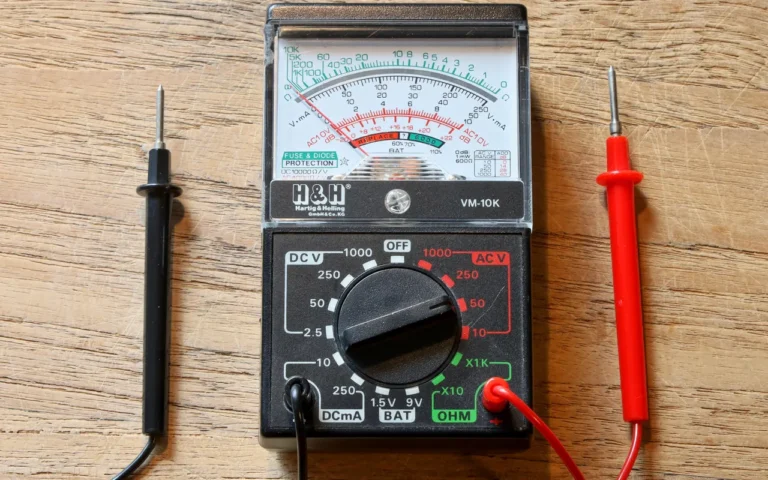
An analog multimeter with red and black test leads on a wooden surface

As an Amazon Associate, I earn from qualifying purchases. Some links in my guides go to Amazon, and buying through them costs you nothing extra. Read the disclaimer.

Proper standby sizing means working from the appliances you want covered and their starting surges, not from square footage. Here’s the method installers use, simplified so you can do a first pass yourself and check the quotes you receive.

Gather these before you start

  • Photos of your main panel and its directory (breaker labels).
  • Data plates for the AC or heat pump outdoor unit, the furnace or air handler, the well pump (if any) and the water heater.
  • Your fuel situation: natural gas meter size, or propane tank size.
  • A year of electric bills. Some utilities also show your peak demand.

The sizing method

  1. Decide the scope. Whole house, or essential circuits only?
  2. List the loads. Write the running watts for each. For 240 volt motors, multiply amps by 240. For 120 volt items, multiply by 120.
  3. Find the biggest starting surge. Usually the AC compressor. Its LRA is on the data plate. Note whether a soft starter is fitted or planned.
  4. Add the running loads you expect to run together. In summer, that’s AC, fridge, freezer, lights, electronics and maybe a well pump. In winter, furnace or heat pump instead of AC.
  5. Add the largest surge on top. The generator must handle this combined peak.
  6. Apply the fuel rating. Use the natural gas rating if you’re on NG. It’s lower than the LP figure.
  7. Add headroom. Many installers aim to keep the normal load comfortably below the generator’s rating.
  8. Consider load management. Modules that shed the AC, water heater or other big loads let a smaller generator cover more.
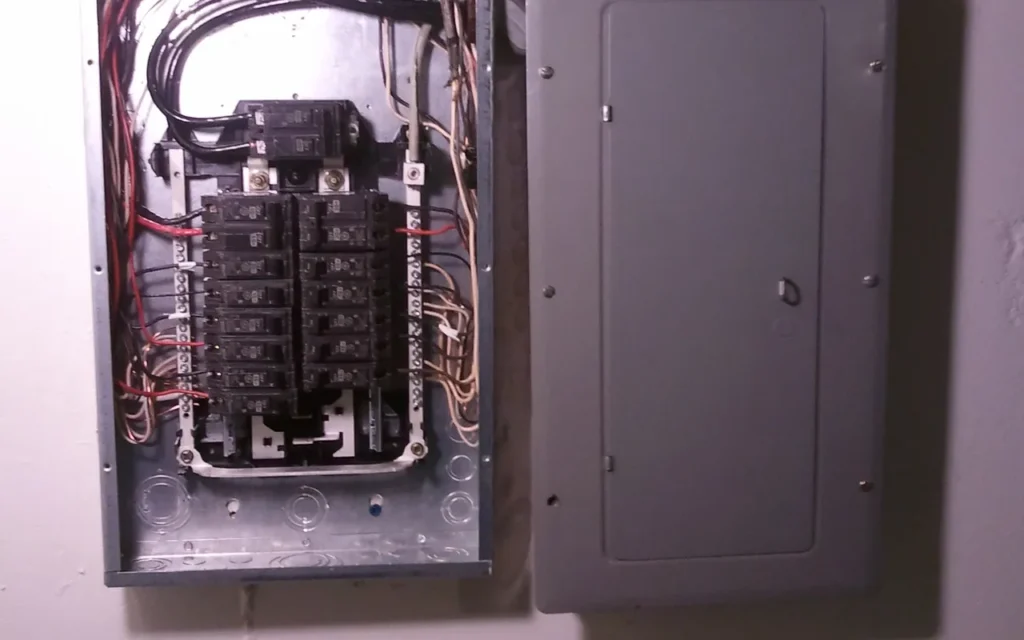
A home breaker panel beside a subpanel with its cover removed
Your panel schedule is the starting point for a sizing worksheet: it shows which circuits feed the loads you want covered. Photo: Gvolk (CC BY-SA 3.0), via Wikimedia Commons.

Running the method on a real house

A gas-heated home with a 3 ton AC (about 3,500 W running), a fridge and freezer (about 1,000 W), a furnace blower (about 700 W), lights and electronics (about 1,500 W), and a well pump (about 1,000 W) adds up to roughly 7,700 W running. Add a large compressor start surge without a soft starter and the peak can reach the low to mid teens in kilowatts. A 14 to 18 kW unit on natural gas, with load management for the well pump, is a reasonable starting point to discuss with installers. Your own numbers will differ.

Then confirm the fuel supply

A generator needs its full-load fuel flow at the right pressure. Generac’s Guardian spec sheets list 3.5 to 7 inches of water column for natural gas and 10 to 12 inches for LP at the generator inlet. Your gas utility may need to upgrade the meter. Propane tanks must be large enough to vaporize enough gas in cold weather, so your propane supplier will advise on that.

Checking an installer’s quote

  • A size picked from square footage with no load list attached.
  • No mention of the AC’s start-up surge or of soft starters.
  • A natural gas home quoted against the LP rating.
  • No gas pipe sizing shown.

And when you do your own first pass, avoid these shortcuts:

  • Adding up every breaker’s rating. Breakers aren’t loads.
  • Ignoring the surge from motors.
  • Using the LP rating when you’ll run on natural gas.
  • Forgetting a well pump or sump pump that has to run during storms.

Use your numbers to check quotes, but let a licensed installer do the final calculation. Ask how they sized it and whether a soft starter or load management was considered.

Keep your worksheet. When quotes arrive, compare each installer’s size and load list with yours. A big gap in either direction is worth a polite question before you sign.

Standby sizing questions

Can I measure my real load?

Some smart meters or whole-home energy monitors show peak demand. That’s a useful reality check.

How much headroom should I leave?

Many installers avoid planning for continuous loads above roughly 80 percent of the rating, but practices vary. Ask how they handled it.

Do I need to include my electric car charger?

Only if it will charge during outages. Many owners lock it out, or let load management shed it.

What if the installer’s size differs from mine?

Ask to see their load list and assumptions. Differences usually come from AC surge handling, load management or the fuel rating used.

See how big a standby to buy, the 2,400 sq ft example and the standby hub. Do a first pass in the wattage calculator.

Keep reading

  • Natural Gas Standby Generator Install Cost: Where the Money Goes
  • Do Standby Generators Come with an Automatic Transfer Switch?
  • How Is a Standby House Generator Wired?

More in Home Backup & Standby · Run the numbers with the wattage calculator

Ethan Walker

Written by Ethan Walker

I’m Ethan. I research every guide from owner’s manuals, manufacturer spec sheets and the electrical code, and I’ll tell you when a job belongs to a licensed electrician or gas fitter.

More about me · How I research

Ethan Walker
Ethan Walker
  • Website

Hi, I’m Ethan Walker, and I created Generator Savvy to make generator topics easier to understand without all the fluff. I’ve always been the kind of person who researches gear before buying it, especially when it comes to backup power, camping equipment, RV setups, and home preparedness. Over the years, I found that generator advice online was often either too technical or too vague. That pushed me to start writing clear, practical content that helps everyday people compare options, understand how different generators work, and make smarter buying decisions. At Generator Savvy, I focus on real-world questions about portable generators, inverter models, dual fuel options, camping use, RV compatibility, fuel choices, and backup power planning. My goal is simple. I want this site to be a useful place for people who want straight answers before they spend money or depend on a generator when it matters most.

Related Posts

What Are the Ratings on a Generac Guardian 16,000-Watt Standby Generator with Transfer Switch?

December 3, 2025

How to Install a Generac Powerpact 7,500-Watt (LP)/6,000-Watt (NG) Standby Generator

December 3, 2025

Whole House Standby Generator for a 2400 Sq Ft Home?

December 3, 2025

What Engine Does a Generac 70361 Home Standby Generator 16/16 kW Air-Cooled with Wi-Fi Have?

December 2, 2025

Do I Need a 100 Amp or 200 Amp Transfer Switch for My Home Standby Generator?

December 2, 2025

What Can a Guardian 10,000-Watt Air-Cooled Home Standby Generator with Wi-Fi Power?

December 2, 2025
Add A Comment
Leave A Reply Cancel Reply

About Generator Savvy

I'm Ethan Walker. I check the advice here against owner's manuals, spec sheets and the electrical code, so you can size, fuel and hook up a generator without guesswork.

Generator Savvy

I'm Ethan Walker. I research these guides from owner's manuals, spec sheets and the electrical code, so you can size, fuel and hook up a generator without guesswork. More about me

Email: contact@generatorsavvy.com

Guides

  • Generator Fuel
  • Home Backup & Standby
  • Portable & Inverter
  • RV & Camping Power
  • Solar & Battery Power
  • Hookups & Safety
  • Sizing & Wattage

Tools

  • Generator wattage calculator
  • Fuel run-time calculator

The site

  • About
  • Contact
  • Editorial Policy
  • Privacy Policy
  • Disclaimer
  • Terms and Conditions
  • Photo Credits
© 2026 Generator Savvy. Generator advice is general information; wiring and gas work should be done by licensed professionals.

Generator Savvy is a participant in the Amazon Services LLC Associates Program, an affiliate advertising program designed to provide a means for sites to earn advertising fees by advertising and linking to Amazon.com. As an Amazon Associate, I earn from qualifying purchases.

Type above and press Enter to search. Press Esc to cancel.